 Chat with us on WhatsApp


Dental Implants in Epping
Missing teeth can affect day-to-day life in subtle ways, such as chewing on one side, avoiding crunchy foods, and smiling with your lips closed. Dental implants are one option for replacing missing teeth that aims to look natural and function like a fixed tooth replacement for many patients.
How Dental Implants Work
A dental implant is a small titanium post placed in the jawbone, serving as an artificial tooth root. Once the area heals, a crown is fitted on top. Implants may also support a bridge or help stabilise implant-retained dentures, depending on your needs and what suits your mouth after an exam.
Related Procedures You May Hear About
This process is often planned in stages, and other procedures may be recommended as part of the plan. These may include tooth extraction, bone grafting, sinus lift surgery, ridge preservation, and gum care (periodontal care). If you already have missing teeth, we may also discuss temporary options like a denture, a temporary bridge, or a temporary crown while healing occurs.
Building Your Plan, Step by Step
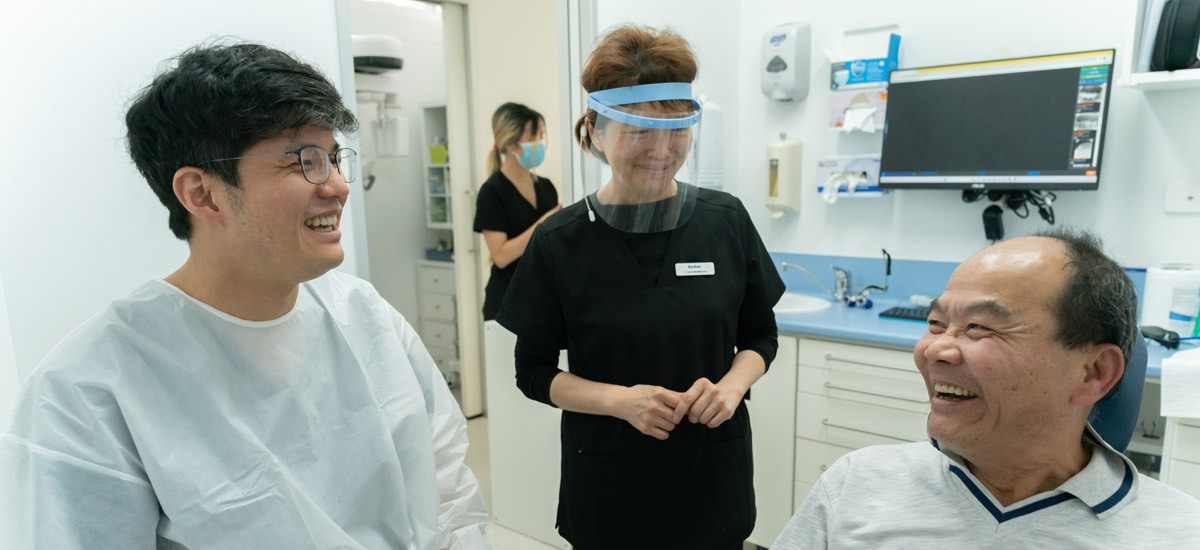
Most implant plans include an initial consultation, scans or X-rays as recommended, and a detailed procedure plan. A healing phase typically follows placement before the final crown is fitted. In some cases, your dentist may recommend preparatory care first, like addressing gum inflammation or planning bone support. Think of it like building a deck; the “surface” matters, but the foundations come first.
Meet the Dentists Who Will Handle Your Care
A small group of clinicians at our practice provide implant care. Depending on your appointment and the plan, you may see Dr Jos, Dr Venus, or Dr Jun for implant consultations and care. Their focus is on careful planning, clear explanations, and coordinating the steps to prioritise your comfort, schedule, and oral health needs, without rushing decisions.
Dental Implant Care
It’s important that you care for implants at home daily and through routine preventative checkups at the practice, just as you care for your natural teeth. The main risk to implants isn’t breakage, it’s peri-implantitis, a gum and bone disease that develops when plaque builds up around the implant. Once established, it’s difficult to treat, making daily prevention essential.
Three habits make the biggest difference:
- Interdental brushing — Use a Pikster or interdental brush around each implant once a day to clear plaque from the gumline.
- Flossing — Use a floss holder for ease, moving up and down along each surface and dipping just below the gumline.
- Brushing — Angle a soft-bristled toothbrush at 45 degrees towards the gum and use small circular strokes to clean the pocket around each implant.
Regular 3-6 monthly checkups allow our team to catch anything your home routine may miss.
Clarity About Costs, Health Funds, and Payment
Implant fees vary because every plan is different. Costs depend on the number of teeth being replaced, whether preparatory procedures are recommended (e.g., a bone graft or sinus lift), and the type of restoration used (implant crown, bridge, or denture support). After your assessment, Epping Family Dental will provide a clear plan with itemised fees before any care begins.
Frequently Asked Questions
Am I a candidate for dental implants?
How long does the process take?
What if I’ve been missing teeth for a while?
Ready to Talk About Dental Implants?
If you’re exploring dental implants in Epping, book a consultation to talk through options like implant crowns, implant bridges, or implant-retained dentures, along with any related procedures that may be recommended. You’ll leave with a clear plan and transparent pricing.
Book a Consultation
*All dental treatments have benefits, limitations and potential risks, and individual outcomes vary. Please read our Treatment Information & Important Patient Guidance page before proceeding with treatment, and speak with your dentist if you have any questions. Any invasive or surgical procedure may carry risks. Seeking a second opinion is an option available to every patient.
