 Chat with us on WhatsApp


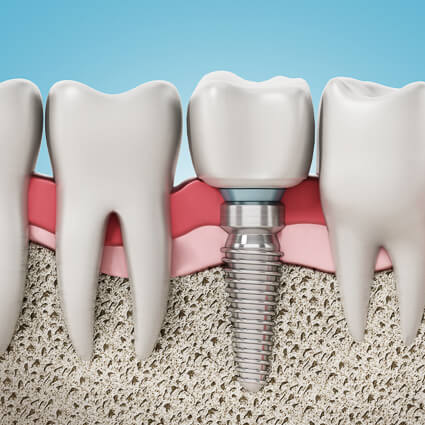
At Epping Family Dental, we believe you should know what you’re paying for before treatment begins. Here’s what goes into the cost, what your health fund may cover, and how planning ahead could help you manage the expense.
Why Do Dental Implant Costs Vary?
Two people replacing one tooth may need quite different treatment. One might have enough healthy bone for an implant, while another may need additional preparation.
Several factors influence your quote:
- Number of teeth: A single implant and crown differ in cost from an implant-supported bridge or full-arch restoration.
- Bone and gum health: Bone grafting, gum treatment, or a sinus lift may be necessary.
- Extractions: Some teeth need removing before an implant can be placed.
- Implant materials: Titanium and ceramic implants have different costs.
- Overall health: Smoking, diabetes, and certain medications can affect healing and treatment planning.
A consultation and 3D scan help determine what’s suitable for your mouth.
What Does Dental Implant Treatment Cost?
Our current implant prices include:
| Treatment | Price |
|---|---|
| Single titanium implant with crown | $4,500 |
| Single ceramic implant with crown | $5,500 |
| Three-tooth bridge on two implants | $9,800 |
| Four-tooth bridge on two implants | $10,800 |
| Same-day temporary tooth, where suitable | Additional $510 |
| Full-arch fixed implant restoration | $25,000 per arch |
Single implant and bridge packages include implant placement, abutments, and the final restoration. Consultation and 3D scanning are additional, as are any necessary extractions, grafting, or sinus lifts.
The full-arch package includes planning, necessary preparatory procedures, temporary teeth, and the final zirconia-on-titanium bridge.
Prices are current as at October 2026 and may change. Your individual costs will be confirmed in a written, itemised treatment plan.
What’s Involved in the Treatment Process?
Treatment generally begins with an examination and 3D scan. If additional dental work is needed, we’ll discuss that before proceeding.
The implant is usually placed under local anaesthetic, followed by a healing period of approximately two to four months, sometimes longer. Once healing is sufficient, we can prepare your custom crown or bridge, often using our on-site laboratory.
Each stage, including potential risks and limitations, is explained before treatment begins.
Can You Spread Treatment Across Two Calendar Years?
Here’s something patients don’t always realise. Because implants require healing time, treatment sometimes naturally falls across two calendar years.
For example, an implant placed in November might be ready for its crown in February. Depending on your policy, those stages could fall under separate annual health fund benefit limits.
This may reduce your out-of-pocket costs, but only if your policy provides eligible benefits.
Clinical needs always come first. We won’t delay necessary care or rush healing to fit a health fund reset date.
How Do Private Health Fund Benefits Work?
Most people aren’t eligible for Medicare funding for dental implants. Private health insurance may provide benefits under major dental extras cover.
Before proceeding, check with your fund about:
- Whether implants are covered and any waiting periods
- Annual limits, sub-limits, and reset dates
- Benefits payable for each treatment item number
- Any exclusions or remaining limits
We’re a preferred provider for Bupa, Medibank, nib, and CBHS, accept all health funds, and offer HICAPS claiming. We can help you check your estimated benefits, although your fund determines the final amount payable.
Plan Your Treatment With the Full Picture
Dental implants involve more than the initial procedure. Ongoing cleaning, regular checkups, and possible future maintenance should also be considered.
We provide written quotes outlining the recommended stages, costs, and expected timeline. Payment plans are available, and you’re welcome to ask questions, consider your options, or seek a second opinion.
Thinking about replacing a missing tooth? Book a consultation at Epping Family Dental to discuss your options and understand the likely costs before deciding.
All surgical procedures carry risks, including infection, implant failure, and possible complications. Individual outcomes vary. You may seek a second opinion from an appropriately qualified health practitioner. Prices are current as at October 2026 and may change. Health fund benefits depend on individual policies and eligibility.